Horse and Wagon
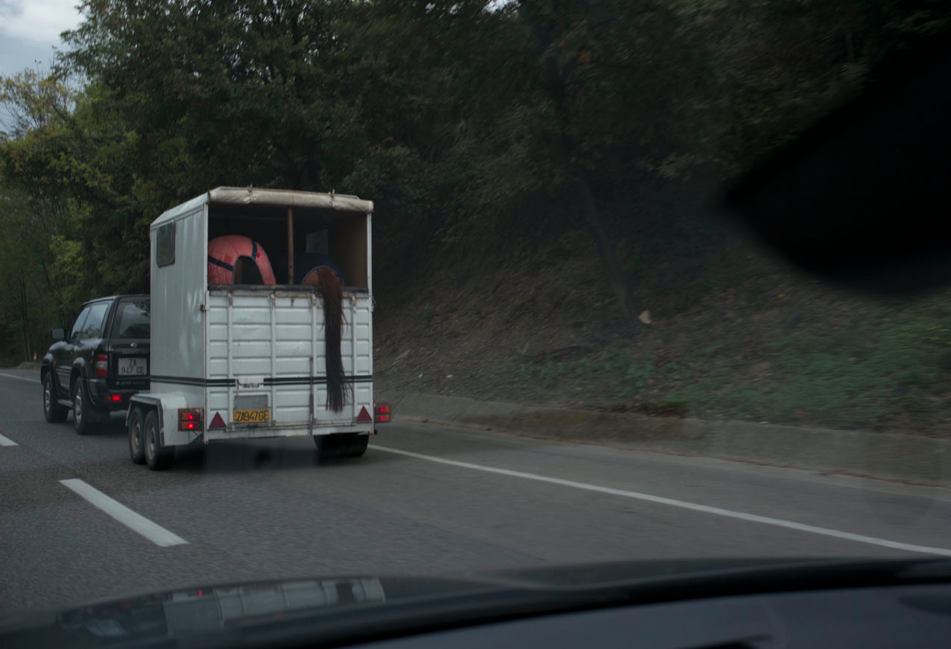

Horse and Wagon
Green November

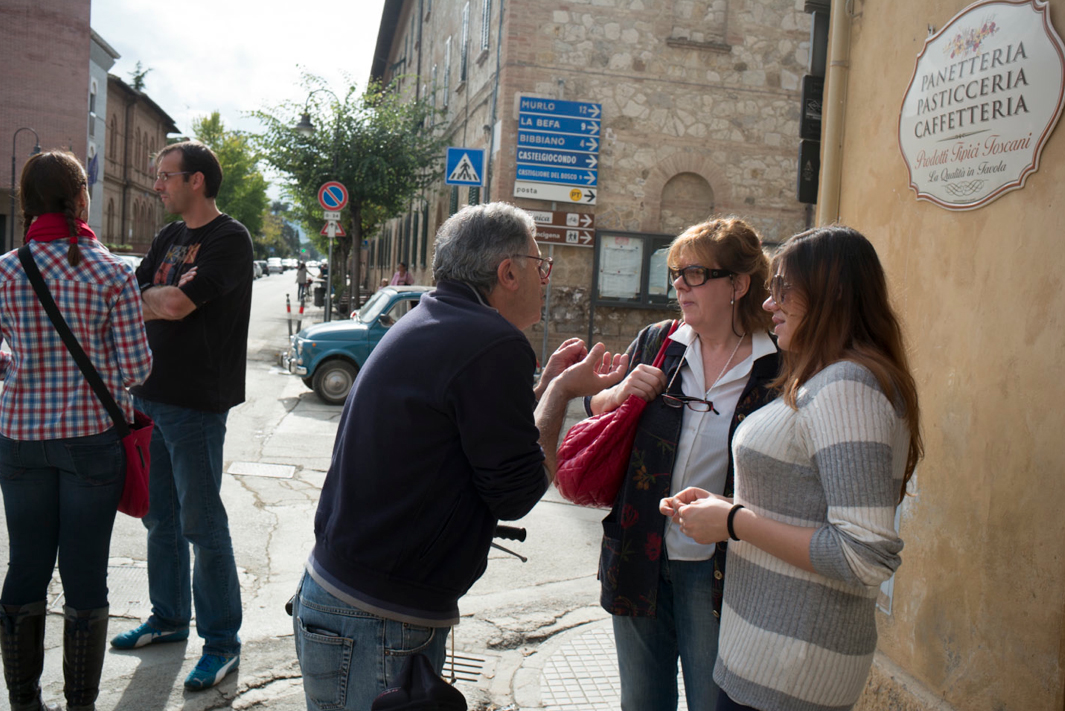
The Italians would be speechless without their hands

After the car rolled over 3 times.

Once-In-A-Lifetime
Dear Friends,
I have just returned to New York City for a 3 week or so, intensive period of work. I must sign 30,000+ prints for the upcoming sale of my archive. A life’s work is on the line, and so my studio director has signed up a team of assistants to work with me for 6 days a week, 8-10 hour days, in order to complete the sale by a certain date.
Just today I signed 1550 prints, so I can see the path through this as an endurance test, but one I happily commit to. What this means in terms of the blog postings is that I will most likely not have the concentration to write during this period. But by this time you have read me regularly, and you get the drift of my thinking, although I hope I have not been too repetitive, still my concerns and my limits have been out there for all to see.
I propose doing the simplest thing to keep the blog going until I can be fully present once again. That would be to post a picture a day as is my blog’s raison d’être, but without my making commentary. However; now that you have read my kind of responses to seeing and working, I am open to seeing what it is that any of you might contribute to the images I show, your take on them for example. No obligation, believe me, just my own curiosity to see what ways, if any, I may have provoked you into thinking about this crazy, wonderful medium of ours.
You’ll be hearing from me again when this is done. Wish me luck on this Once-in-a-Lifetime deal.
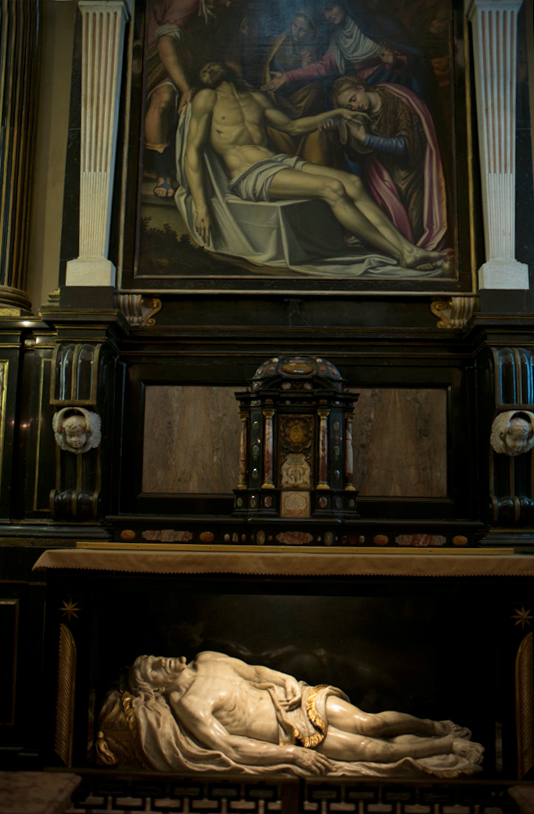
Graphic Design
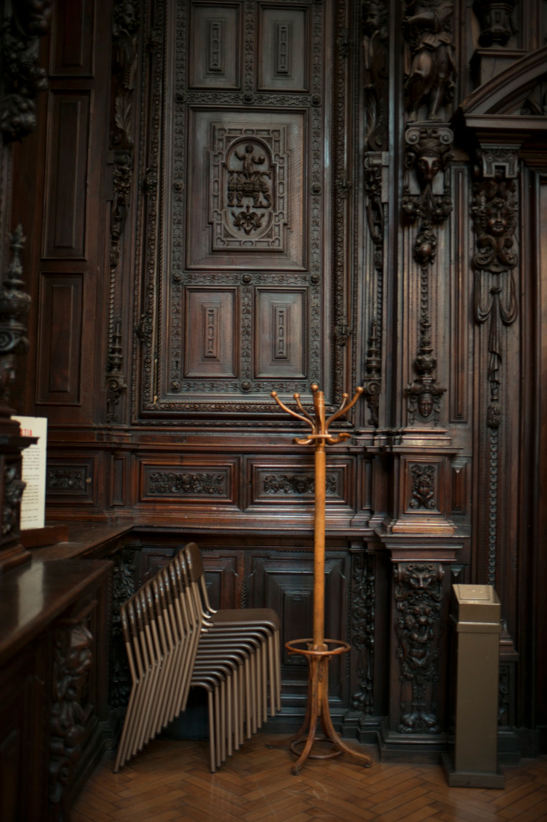
Chairs are sitting everywhere. And as I wrote earlier this month, I have been collecting them in a steady but casual way for many years, slowly watching them build a presence in my archive. I have no doubt that one day I’ll find the time to take a hard look at the collection to see if it is worth publishing as a book.
What I like about this particular body of work is that I’m not out hunting for them to become a set of photographs. The work grows on its own like a kind of ‘folk art’ collection of oddities that accumulates its strength from the variety of the objects in it.
What pleases me in this photograph, besides the contrast between the two value systems within the frame (the place and the chairs) is the amazing object the chairs make when seen stacked that way. The chair’s simple form becomes a rich and beautifully graphic result as a single design motif, in a way it is just like all the wooden beading everywhere in the paneling. It accumulates by simple addition until we take in the wonder of it. That coat rack ain’t so bad either.
Facade
The Duomo in Milan is one of the largest churches in the world, and like so many cathedrals of this scale it took a long time to be completed, close to 800 years. The sculptures on the facade came last, probably sometime in the early 1800’s.
When I was there I saw an amazing pair of figures, which although I have seen the building before I had never noticed the detail in the drapery covering – or not – the figure on the right. It is an astonishing image for the front of a church.

A Full House
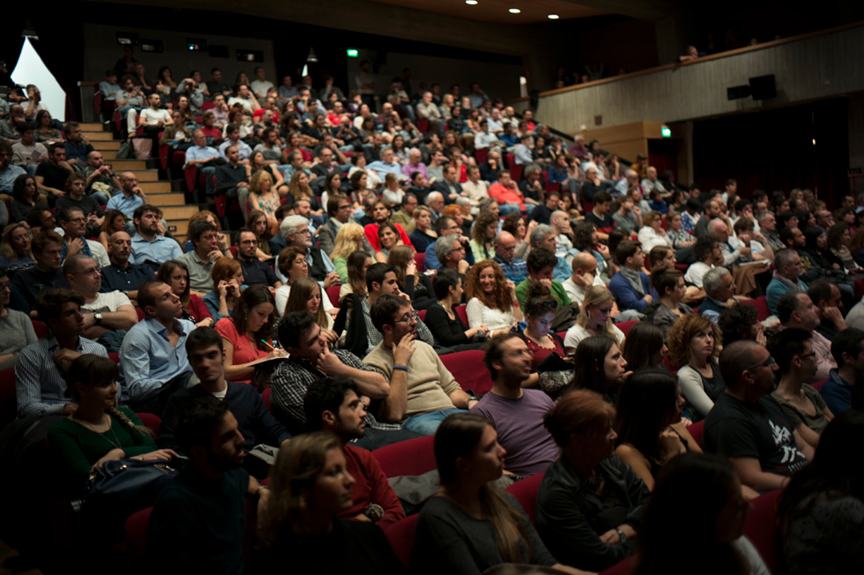
Giving a talk about photography is always a new adventure, no matter how many times i have done it, because I never know what I’ll be talking about until I am up there in front of the audience. I like that risk because it is just like making photographs; the unexpected can happen at any moment.
It may be a new thought triggered by a slide that I have seen many times before but now strikes me in a fresh way, or else it might be a question from someone that sends me off in a direction I hadn’t considered before, or finally it might be the challenge of the new work I am making which might push me to reconsider the older works coming onto the screen.
We can never imagine the work we might make in the future – that’s part of the wonder of all art making – but when we are in the present and can look back, as I can, over 50 years of work, there seems to be a continuous path that unwinds in a way that sometimes seems inevitable.
1000th
I had to go to Milan for a show and talk. On the way the landscape whizzing by always has moments of surprising imagery. The 1000th of a second I shoot at in these situations still can’t always freeze what’s nearest to the camera, but things further away are not moving as fast so they are precisely defined.
I love the fragmentary quality of this kind of seeing and responding. It makes me extremely watchful for periods during every train trip I go on, because we never know what we might find interesting.
This new forest along the right of way was flickering by with light and shadows, and then I saw the opening with the scratchy lines in it, and the single white line in the distance. At 140 miles an hour there is barely time to register the event and make a shot. But I’ve learned to be in tune with this kind of seeing. That single white tree or pole, or whatever it was, seemed so beautiful to me!
 Then, as the train pulled into the outer edges of Milan, structures, and the materiality of the outer edge of cities, begin to replace the simplicity of the countryside, and it always makes me realize how harsh an environment we all make, and then accept as a way of living.
This ‘way in’ to cities is evident all over the world now. A brutal form of ugliness in the architecture, and over it are scrawled the painted shouts of the minorities and immigrants who are pushed out there by the societies that accept them for their brute labor, but basically keep them penned up in these enclaves of sadness.
The politicians – everywhere – just don’t understand what should be done to make happy citizens, and yet it is right there in front of them.

 ONCE MORE AROUND THE SUN